Breakout Sessions
This year's breakout sessions will offer a focused look at key topics shaping the fire and life safety industry. Attendees can select from dedicated technical and sales tracks, each designed to provide practical insights, actionable strategies, and updates relevant to their field.
Sessions will include interactive discussions, case studies, training opportunities, and the latest information on evolving codes, technologies, and system applications. Industry experts and vendor partners will also share perspectives and best practices from across a range of disciplines.
In response to attendee feedback, the New Product Showcase will now be held as a single session for all attendees on Wednesday from 8:45–10:15 AM, featuring an in-depth look at Potter's newest solutions and innovations. This showcase will give you the chance to get real, hands-on demonstrations of Potters most recently released, upcoming, and future concept developments.
Ever wanted to put our engineers on the spot? This is your chance. In Stump the Engineer, attendees are invited to bring their toughest questions, edge cases, and real-world scenarios related to our fire alarm systems. Ask anything—from programming and hardware to system design, integration challenges, troubleshooting, or "why does it work this way?"
This class covers efficient configuration of large numbers of rooms with single station smoke detector programming using Potter’s Fire Panel Programmer. Instruction focuses on time saving tools and workflows that significantly reduce manual entry across large facilities. By the end of the course, participants will be prepared to bring complex systems online quickly and accurately.
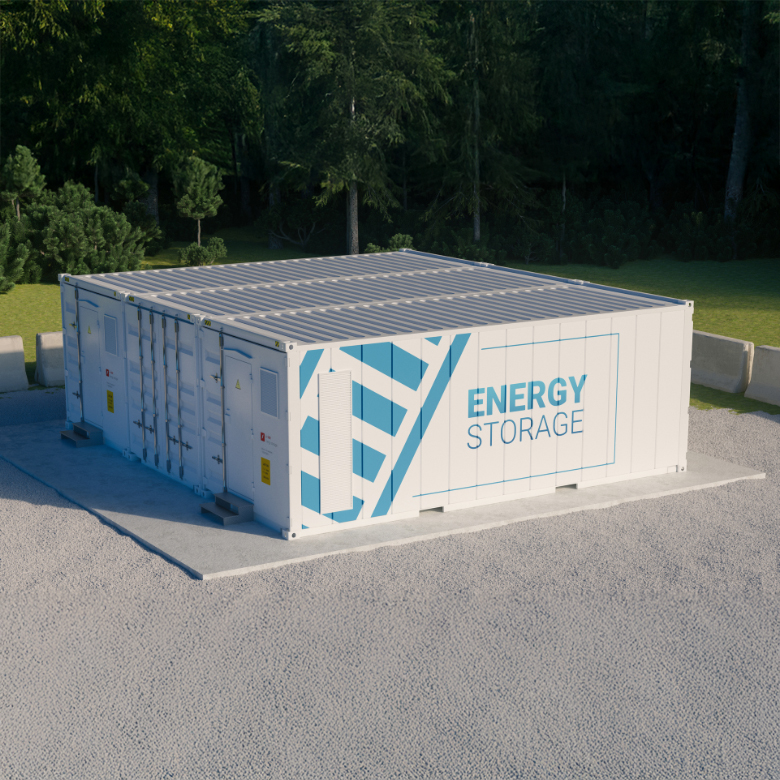
Some projects don’t forgive mistakes. 24/7 casinos. National training facilities. Utility-scale BESS sites. In this fast-paced session, three Potter ESD partners reveal how they designed, sold, and delivered complex installations where performance, reliability, and execution determined who won the job — and who didn’t.
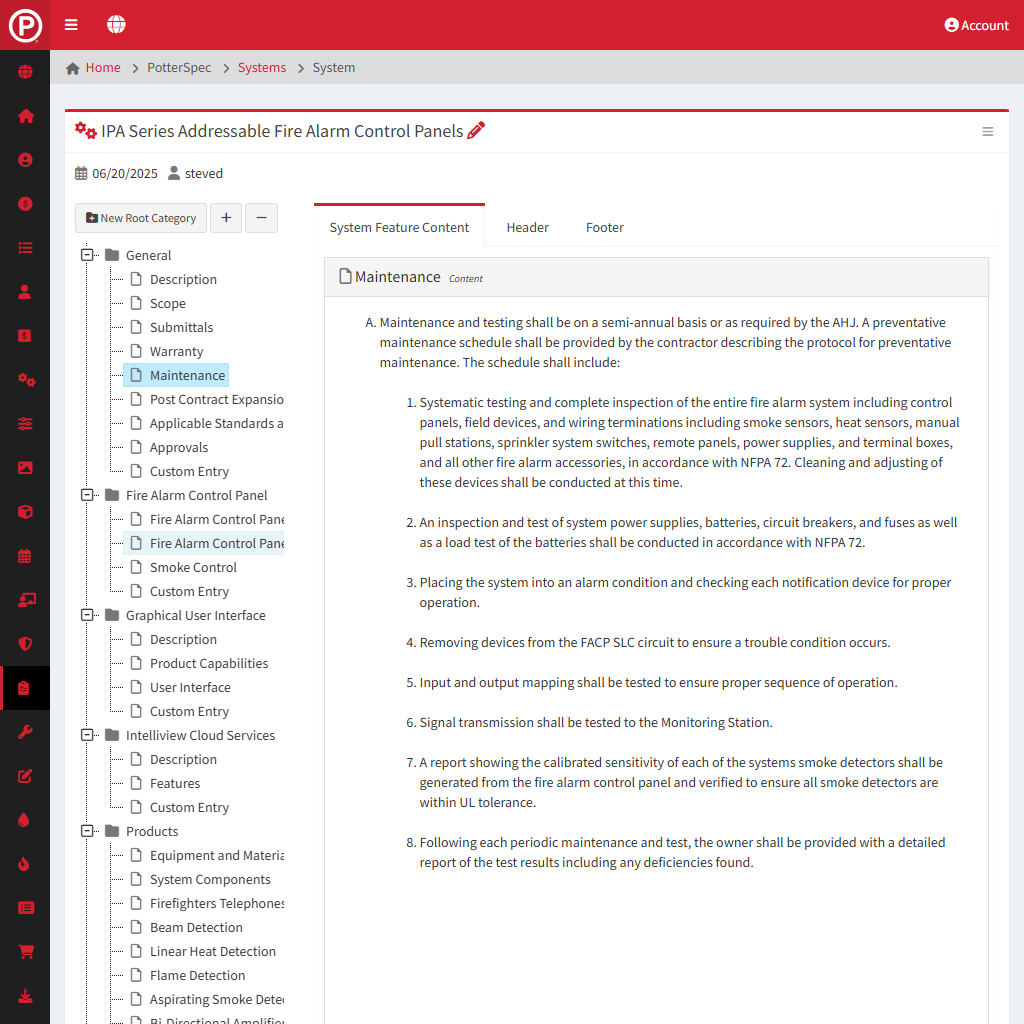
This breakout provides an overview of PotterSpec, highlighting how it simplifies the online creation and management of engineering specifications, followed by a preview of new features and enhancements planned for 2026. The session will also explore Battery Energy Storage System (BESS) applications, showcasing potential Potter solutions through real-world diagrams and use cases. The discussion concludes with an open forum, allowing attendees to share upcoming project scenarios and collaborate on practical, compliant solutions.
This presentation provides a high-level overview of changes in the 2024 IBC and NFPA model codes as well as 2025 edition of NFPA 72, as it relates to fire alarm systems, carbon monoxide detection, and other related components.
Join the Potter Customer Experience team to learn how we’re transforming customer feedback into meaningful improvements designed to elevate your experience as an ESD. We’ll walk through key tools available to ESDs, including Custom Learning Tracks, Customer Portal, Quote Tool, PotterSpec, and enhanced support services.

This course introduces the core technologies, system interfaces, and essential testing tools used by fire alarm technicians in the field. Instruction focuses on understanding equipment functions, panel interactions, and the technology backbone that supports reliable fire alarm operation. Participants gain a clear, practical foundation in the technical elements that drive modern fire alarm systems.
A system-level demonstration showcasing Potter’s end-to-end connectivity solutions. The session will feature live demonstrations of IntelliView cloud integration through PotterNet, IntelliCom, IntelliView Link, and Fire Panel Programmer. The focus will be on highlighting the power, simplicity, and scalability of Potter’s solutions—especially for enterprise-level systems.
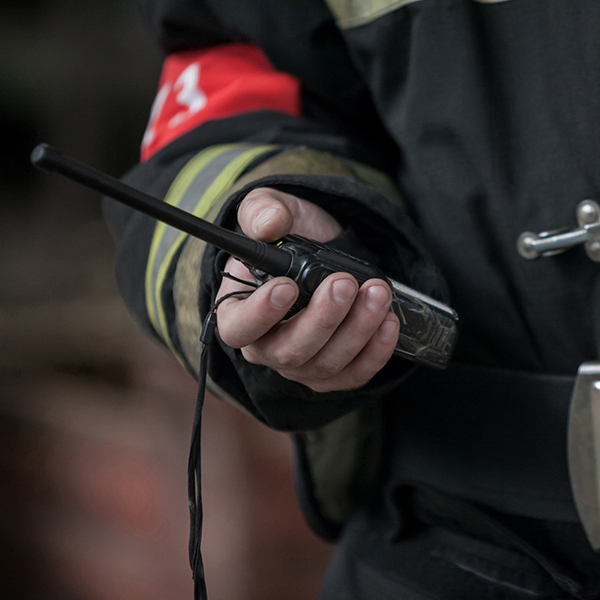
A high level overview of the Potter Programming Software and basic programming demonstration.
Bidding ERCES/BDA projects is not always straight forward, participate in a break-out session discussion with the PotterERCES sales team looking at the different considerations to be accounted for during the bid process. We’ll discuss topics inclusive of Add Alternates, Contacting Radio Lic. Holders, Site Surveys and different approaches we’ve heard from the field.

Cyber Security remains an essential force to protect your organization and your customers. Let’s discuss recent changes in technologies, standards, and practices to help keep your organization secure.
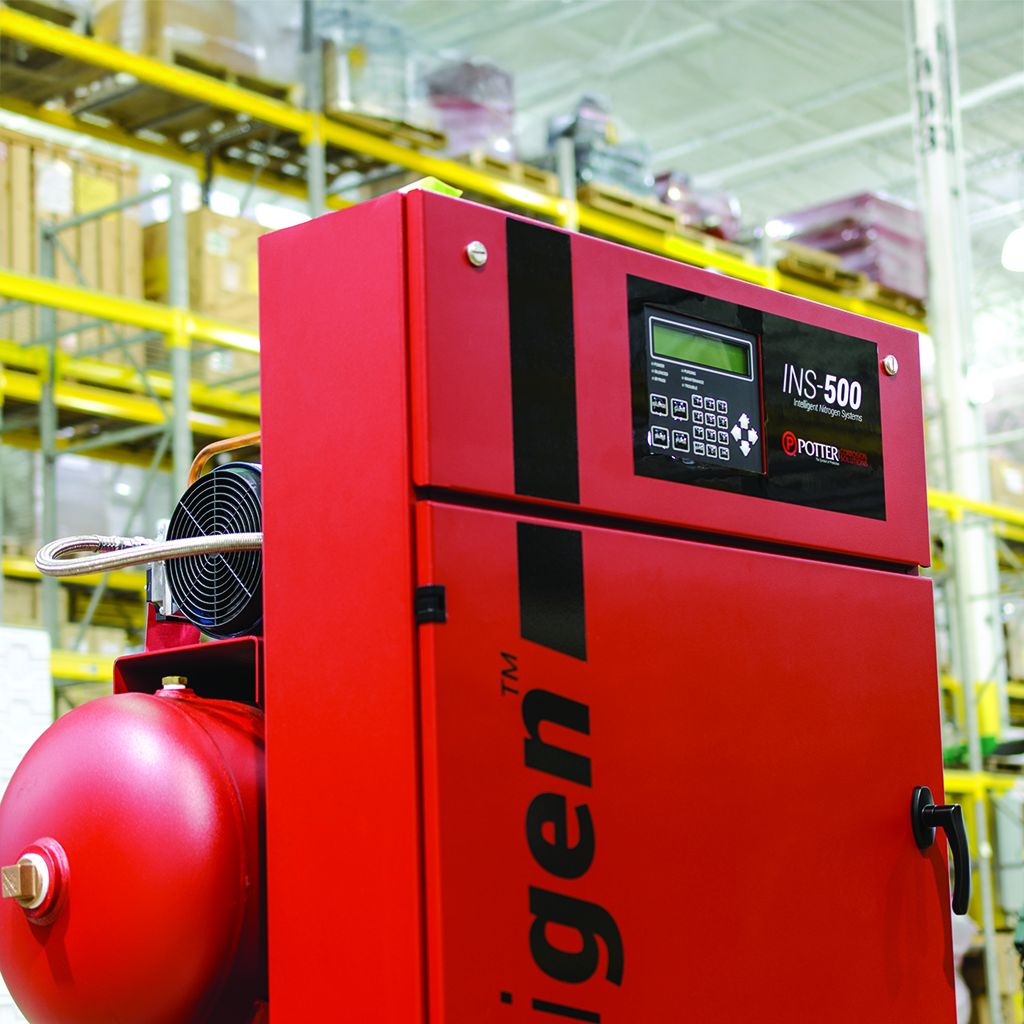
In this training session, we will explore nitrogen generators as a mission-critical support system for modern fire protection. The session explains how controlling conditions inside dry and preaction sprinkler piping reduces corrosion and improves long-term system reliability. Attendees will learn how Potter’s nitrogen generators go above and beyond the competition to provide the ultimate in corrosion resistance. The session emphasizes practical awareness of the components, Potter’s patented features, and field coordination, equipping you to confidently support this expanding technology without needing to become sprinkler experts.

A look at ERCES/BDA installation and commissioning practices, general install overview plus tips and tricks for a successful startup and project close-out.

This session will provide an overview of Alyssa's Law and the opportunity it presents to grow our business as adoption is being done state by state (similar to when Carbon Monoxide detection made its way through the country for the fire alarm business). Adoption usually comes with funding and thus, can create new business for all of us. We will then provide an overview of the existing competition and showcase our soon to be launched solution and how we differentiate.
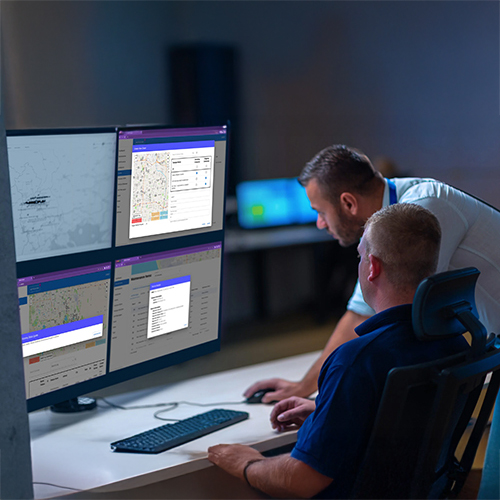
This session will be focused on explaining how Valcom solutions can meet the needs in not just K12 applications, but also in Industrial/manufacturing/warehousing and in healthcare. We will provide examples of use cases, success stories, and typical needs and solutions that Valcom can provide to meet those needs.
Preaction sprinkler systems are unique in that there must be significant coordination between the mechanical elements of the fire sprinkler system and the electrical elements of a fire alarm releasing system. This course discusses the important considerations for designing, installing, inspecting, and maintaining these systems and some of the newer requirements that have been added or modified in the installation codes that cover these systems.
With the increasing role of lithium-ion batteries, this presentation will discuss the uses of lithium batteries including battery energy storage, micromobility, and datacenters. We will then discuss the fire protection challenges presented by this battery technology, fire protection strategies and associated codes available that are trying to address these lithium battery fire protection challenges.
This presentation will discuss the types of elevators and how this effects required emergency interfaces. The applicable code requirements will be discussed in order to determine what fire alarm emergency interfaces should be provided.
This presentation details the normal and unique notification sequences available to be used by fire alarm designers. These options include public and private mode notification, presignal notification, positive alarm sequence, detector cross-zoning, and the new RAMO notification. This presentation will discuss the code requirements for each option and the critical considerations involved.
This presentation will feature how a designer can use new technology in loudspeaker design and placement to increase intelligibility. This will include information on newer loudspeaker products and practical suggestions for loudspeaker design.
• Identifying indoor performance problems based on NFPA and IFC code thresholds and AHJ requirements
• Grid Testing Public Safety and In-Building Critical Communications through the demonstration of SeeHawk® Central, our cloud-based automated workflow management platform paired with our Public Safety Network Testing Solution kit
• The importance of In-building Bi-Directional Amplifier (BDA) Solutions for Public Safety Communications Enhancements
• The critical harm that these solutions can cause to Public Safety Communications if not done right
• The role of commissioning tests in preventing these harms and complying with FCC requirements
• Benefits guided, automated testing, grading, and reporting with PCTEL’s BDA Commissioning Test Suite
This one-hour accredited training course provides an intermediate-level overview of Fire Service Access Elevators (FSAE) and Occupant Evacuation Elevators (OEE), exploring their purpose, requirements, and operational capabilities. Participants will review IBC Section 3007, which mandates FSAEs for fire and first responder use, and IBC Section 3008, which may require OEEs for occupant evacuation during emergencies. The seminar also covers elevator types, fire protection requirements, and emergency control functions, with reference to NFPA 72 Chapter 21 for system integration and compliance.
Modern building designs increasingly place smoke detectors and aspirating smoke detection (ASD) systems in high or hard-to-reach locations—areas that are often difficult to access during routine maintenance. Yet these detectors remain critical to life safety and must be tested regularly to ensure compliance and functionality. This presentation explores the practical and regulatory challenges of testing detectors in such environments. It highlights the risks of non-compliance, outlines legal responsibilities, and presents effective solutions to support safe, reliable maintenance.
Join us to explore Eaton's latest product updates to include VoCall 16 AoR. Learn about the sophisticated functionality paired with a simple, intuitive end-user interface, ensuring high-quality audio when it matters most. We will also share options to improve installation and support notification appliance applications.
Fire alarm contractors working in the ERCES space must understand the RF and regulatory dimensions that distinguish these systems from traditional fire/life-safety work. This session covers FCC License Holder coordination, critical code updates for 2026/2027, and workforce qualifications. Presented by John Foley, Managing Director of the Safer Buildings Coalition – Co-Author of the Complete ERCES Handbook.
This class will cover the surge protection needed to stay current with code. It will also focus on proper design, installation and grounding for SPD’s
Discover the latest in FireCAD 2026, featuring a re-engineered platform that delivers reports up to 26x faster and the all-new Design Assistant — an automated validation system with 25+ rules that checks your designs against NFPA 72, manufacturer specs, and project standards before AHJ submission. We'll also preview what's next: AI-powered design review for FireCAD.
This class provides tips for the contractor and AHJ to improve the fire alarm submittal, review, and inspection process. By improving our knowledge of the code and taking ownership in our projects, and perhaps picking up the phone, the process of working together also improves.
There is often times confusion about this type of system, as to when these are required and what purpose it serves. This class provides some clarification, and maybe more importantly is what a Dedicated Function Fire Alarm System is NOT.
Selecting the right fire detection technology is increasingly challenging in modern buildings where height, airflow, environmental conditions, and access limitations can reduce reliability. This session takes a practical, risk-based look at how specialist detection approaches can improve outcomes in complex environments. We’ll compare where optical beam smoke detection, flame detection, and linear heat detection (LHD) fit best, and the key design considerations that drive performance, nuisance alarm immunity, line-of-sight, coverage, maintenance access, and response expectations. Attendees will leave with a clearer understanding for matching technology to risk, supported by real-world application examples. We’ll also share a brief update on aspirating smoke detection (Sensis) as “coming soon” pending US approvals.
Safety Technology International (STI) showcases its broad range of fire, safety, and security products designed to safeguard essential building equipment. Attendees will learn how STI’s enclosures, alarms, wire guards, push buttons, cabinets, and covers help reduce risk and maintain system integrity.
We will take a detailed look at Wagner’s ASD product portfolio, including the technology behind Aspirating Smoke Detection and the key advantages it offers. We will also review specific applications where ASD delivers a more effective solution compared to traditional detection methods. In addition, we will walk through the features and capabilities of our PipeXpress Plus design software, giving you the tools to efficiently plan and configure ASD systems.
Compliance is now a core risk and revenue driver for security businesses. As security, fire, and life safety systems converge, liability follows involvement—not contracts. It shows how companies that control compliance workflows reduce risk, protect customer relationships, and generate recurring revenue.